Wednesday, June 21, 2017

Batch Marcelino, LoveYourself's 17th batch of volunteers, joins the fight against HIV

By Mark Angello Ganon

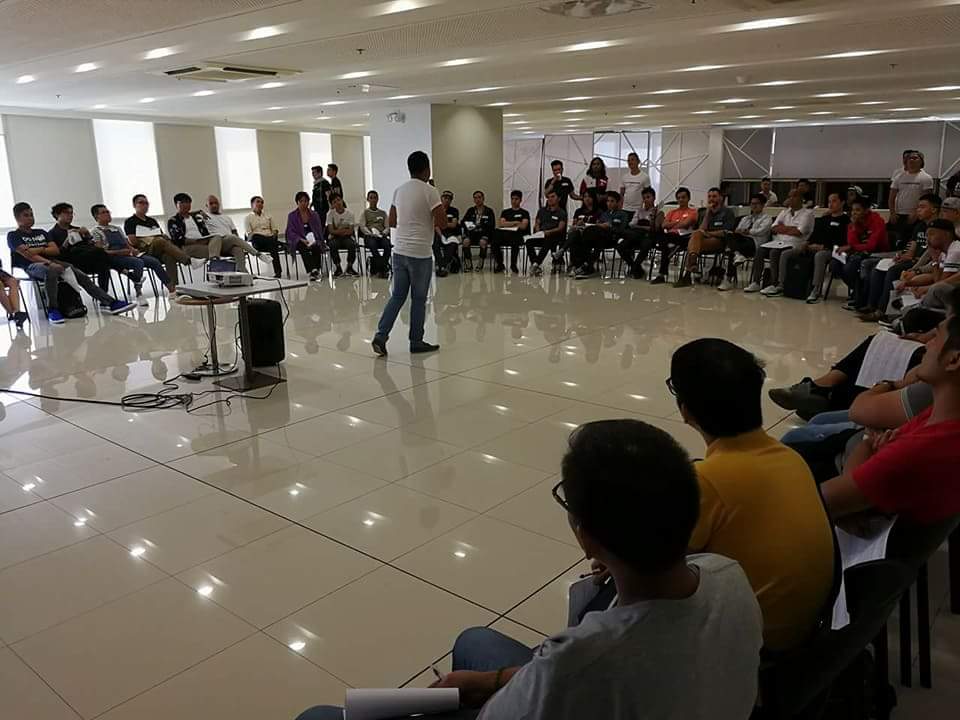
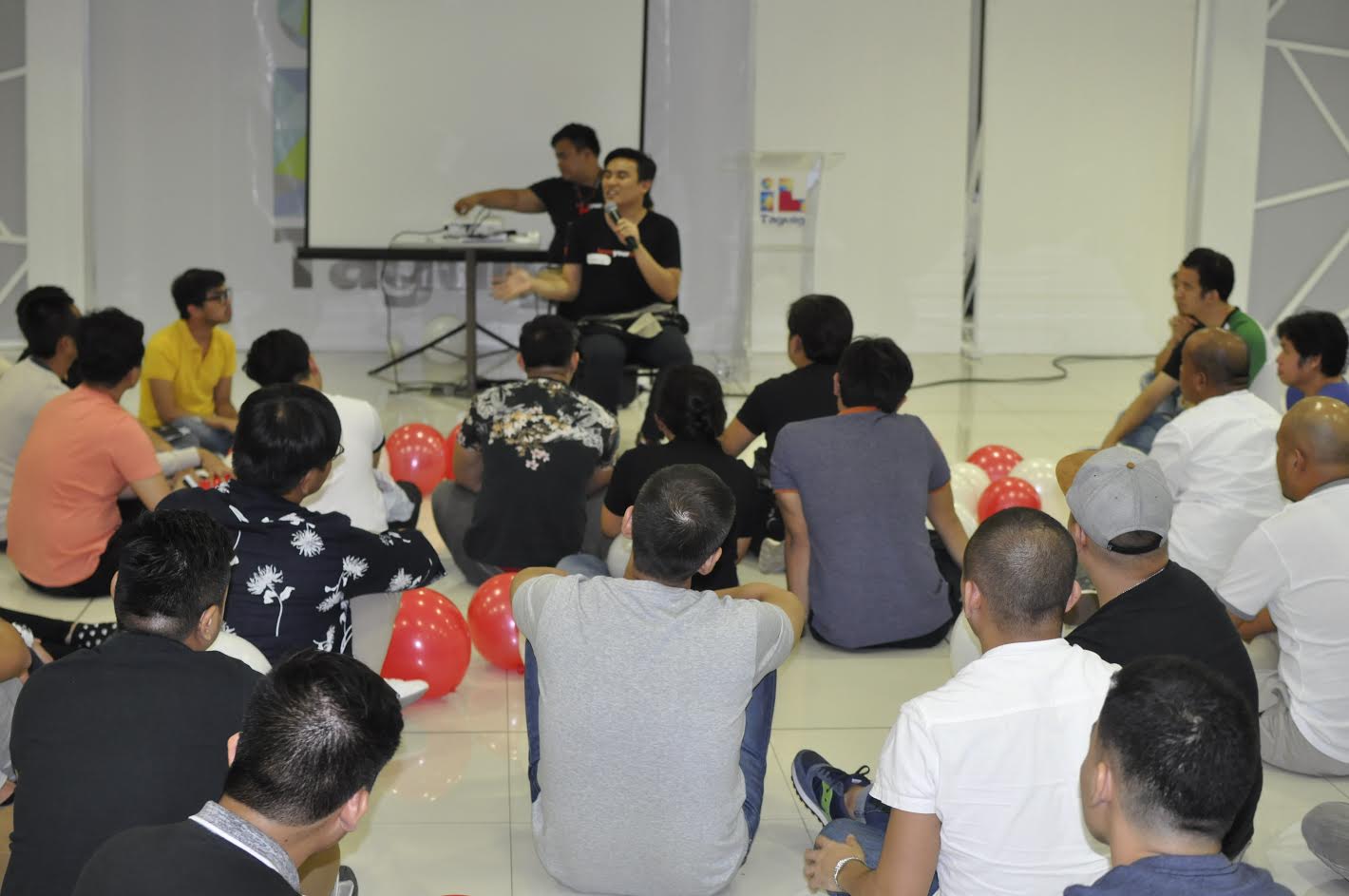
June 17, 2017 – 46 new recruits joined LoveYourself’s growing number of volunteers. Held at the People’s Hall of SM Aura Premier, the orientation, headed by LoveU (LoveYourself’s Corporate University) Administrator John Cedric Santiago, welcomed the new volunteers as they embraced the organization’s HIV awareness and prevention advocacy.
Batch Marcelino orientation at the People’s Hall of SM Aura Premier
https://gm1.ggpht.com/HO0pQg6X9xOBx8u55U2jqp1xNOrWcyxD4M1eymOpYN6wuEilMeeZ9TQo1FX87A3VZUK-f66EMQ93_iEqdYfAYcV7uTG6e4U7SfDhuHC9NUsTy0UHxVyxMnPldpVOM-U0BWEHe5LJRYsGPfLMRvfOTzRkpoMmHAqtichrnRSeEFi9qsn7vRSiKp9SskGihd7kn2c591wloRWD4VZM2CvZZkY1sA7aDXnuT7lH-1FcjGuARGqIU2Bc1aXfpEFXj-2RStxD17jVgwB0zekj8KlJbApdjLPNITFBtPr6w5X3hYb_nRsztoyX4PYWYsX8jh3L9YFnuAAXngK8njZjFq5NAf8KWZLcCoSzw1beV74tD6i_cDnswjutBsiK5Uz1icbJgH6w78kxIgEUDK_bCyfCbIjVR2nYzR9CrBOrvq_i0wGlBCwJHJyp8W9mUPg93pKtVacVRVwUwFcEa6ms5O5lO9fI14sba09FgDx0GrVjJafqNmOvxMyQgcHKWSbL4NrHGCDVCkEmAwqHkYFd89vSl42g6f0jvxrHQ43EynaedCaCSPDcWIyCFsNFu0k3kSr61XJXnM_CeSAa9aheXTSGrqC6L2er_adRmOjiXJbSsi-rnAqeuyHcSwfPHNt-2ldc_mSi6LSsyy-zWL9FgIIuwrNQBbkVfYTqdSUDbQs7qIRAA75ksYVS8xk=w1920-h943-l75-ft

The Origins

Similar to this year’s batch Guinto, the batch name "Marcelino" is also a tribute to a former location of a LoveYourself clinic.

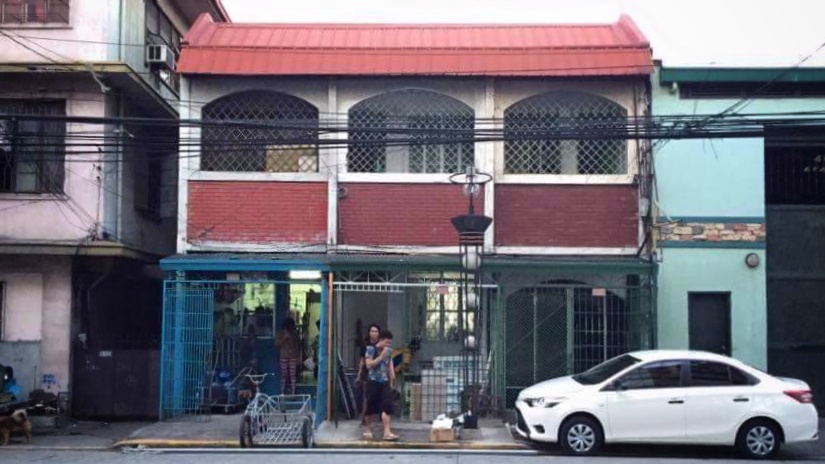
The first clinic, LoveYourself Hub, was originally located at Leon Guinto St. in Manila. HIV testing and counselling was held at the hub from July 2012 until its transfer to 1936-B San Marcelino Street near the corner of Quirino Avenue in Manila. Citing accessibility as the main concern for the relocation, LoveYourself Hub resumed its operations on January 3, 2015.

Facade of the second LoveYourself Hub at Marcelino St., Manila, now used as commercial/residential space

The logo for Batch Marcelino is a spinoff of the acclaimed Windows of New York Project, which is a weekly illustrated atlas of striking windows along the streets of the Big Apple. Conceptualized as a tribute to the second hub, Mark Long, the artist behind the logo, took into account the ancestral vibe the place exuded. The logo shows a three-unit building with a red, white, and green motif. The middle unit was the second clinic of LoveYourself.

Batch Marcelino logo conceptualized by Mark Long and Geno Maglinao
Operations at the LoveYourself Hub at Marcelino St. lasted only until December 2015. Frequent flooding at the hub instigated the transfer to a new venue at Taft Avenue, which is known up to this date as LoveYourself Uni.

Strength in Numbers

With the addition of Batch Marcelino, LoveYourself has now more than 800 volunteers. With its partnership with Test MNL, Pilipinas Shell Foundation, ISEAN HIVOS, RITM-DOH, and the Taguig City Government, LoveYourself continues to be a champion for HIV awareness and prevention amidst increase in the number of new cases. It continues to be a rallying point for the advocacy, where volunteers, new and old alike, strive to serve their best in its two HIV testing clinics (LoveYourself Anglo at Shaw and LoveYourself Uni at Taft), engage in its various committees, and support its future projects and endeavors (like PrEP, for example).

As LoveYourself welcomes Batch Marcelino, Vinn Pagtakhan, the organization’s founder, is reminded of the journey, a few years ago, in finding a safe space for everyone, a place where we can be ourselves and where we feel safe and free from judgment and discrimination. Marcelino reminds him of an urban imagery of a little warrior: young, charming, strong, and very enthusiastic. And as new LoveYourself volunteers, he welcomes Batch Marcelino as our “youngest warriors in creating positive ripples of change for our community, and empowering that same community in developing a high sense of self-worth."


Photos courtesy of Leo Pura and Mark Long

Wednesday, June 14, 2017

STATUS -- Yes, I am Positive

By Carlos Diego A. Rozul

Everyone has talked about a particular status in his or her life, be it their relationship status, their financial status, and heck people talk about their problems on their Facebook status all the time! But one thing that’s rarely talked about is one’s HIV status. Despite its relevance today it is still greatly stigmatized and has been thought of as taboo by many. This monthly column aims to help facilitate discussion on issues surrounding HIV testing and living with HIV.

Three months after your last unprotected sexual encounter, you may decide to get tested for HIV as part of your routine. While waiting for the results, you feel anxious and uneasy. When the findings are given, your counselor communicates to you that they come out reactive. While others may feel overwhelmed with emotion, you may feel like time has stopped with a rush of numbness. A lot of questions may rush into your mind, and you may wonder how you would talk to someone about your status.


Who should I tell in the first place?

The decision to start the conversation about your status with someone is ultimately yours to make. Others may feel confident enough to tell a majority of people in their life, while some may struggle to tell even one. Some newly diagnosed people living with HIV (PLHIV) may still be in denial or fear that disclosing their serostatus would lead to automatic rejection, discrimination, and false accusations of promiscuity and infidelity [1, 2]. Either way, the number of people who know about your status should not be the basis of a good social support network. A good criterion to go by would be to share your new positive status with people whom you think are capable of understanding and caring about you and your situation[3]. This may mean an informed and open-minded family member, your romantic partner, or a close friend.

Multiple studies[4,5,6,7] have shown that the establishment of a supportive social network is an important factor towards the compliance to treatment and mental health of a person living with HIV (PLHIV). A good supportive network can provide both informational and emotional support which are important especially in the first few months of diagnosis. This network can also serve as partners in the journey of accepting one’s self and maintaining a positive self-concept. Formal organizations that serve as support groups may be an interesting option to consider, as you can meet fellow PLHIVs who can serve as a reminder that you are not alone.

You may also consider talking to your current and/or past sexual partners if you are unsure of how you were able to contract HIV. The person who may have given you the virus may not be aware of their own status, and may not be getting the proper care and treatment for their condition. Likewise, your current partner should know about the unforeseen risk you two have taken in your most recent sexual encounter. Currently, there are no laws in the Philippines regarding mandatory disclosure of HIV status with potential partners, unlike the United States. However, in the interest of reducing your partner’s risk of HIV infection, it may be also helpful to talk about pre-exposure prophylaxis.

How do I approach the situation?

After deciding on whom you want to tell, you may wonder how you would even go about telling them. Similar to the previous question, how you start the discussion about your status is up to you. There is no specific way to best facilitate the conversation for everyone as your relationship with one person is different from another [7]. An important thing to note is to recognize that it is normal for you to feel nervous about the situation. Take your time to prepare what you want to say. Part of the discussion about your status may be educating the person about HIV.This may include explaining what your status means, modes of transmission, mechanics of transmission, and/or debunking certain misconceptions.

You may ask someone for a casual cup of coffee, dinner, or even just a walk. Make your environment as comfortable as possible, not only for you, but for the person you’re telling as well.

How do I face unfavorable reactions?

It can feel heartbreaking to tell someone something personal and feel rejected because of it. You may have considered this person to be someone that you trust, but upon telling them, it’s as if you just told a closed-minded stranger.

This may be a big fear for most people disclosing their status to significant people in their lives; however, it is important to remember that while they may not be ready to accept you as you have presented yourself, that you are still worthy. It may all be overwhelming as you are also just starting to come into terms with the news that you have received. In this moment in time, you will need people who support you, and for now you do not need people who will put you off your path towards accepting and empowering yourself. Getting support should be your primary goal when coming out to someone as a PLHIV.

LoveYourself offers free and confidential HIV testing, pre and post test counseling, and treatment for all regardless of sex, age, religion, sexual orientation, and gender identity and expression. Moreover, LoveYourself Anglo offers life coaching services for newly diagnosed PLHIV clients enrolled in its treatment program to guide them in their journey towards acceptance of self and proper health management.

References:
1 http://www.who.int/bulletin/volumes/82/4/299.pdf
2 http://sti.bmj.com/content/sextrans/80/6/512.full.pdf
4 https://link.springer.com/article/10.1023%2FA%3A1024252926930?LI=true
5 https://www.ncbi.nlm.nih.gov/pubmed/16706710
6 https://www.ncbi.nlm.nih.gov/pubmed/10910783
7 https://www.ncbi.nlm.nih.gov/pubmed/25290317
8 https://www.aids.gov/hiv-aids-basics/just-diagnosed-with-hiv-aids/talking-about-your-status/do-you-have-to-tell/
9 https://www.poz.com/basics/hiv-basics/disclosure

Tuesday, June 13, 2017

Prism: A Colorful Life in Motion set on June 18, 2017

By Brethren Nge and Jean Natividad


It doesn't matter if you're blue, red, green, pink, yellow or any color, shade and hues you might think of. Let's celebrate Pride Month 2017, with colorful lives in unity amidst diversity this June 18, 2017 at the Cinematheque Centre Manila located in 855 Kalaw Ave., Ermita, Manila as we present: “Prism: A Colorful Life in Motion”.

The “Prism” will showcase a variety of colorful short films and artistic performances that are quite timely, relevant and full of life's lessons. A showcase that surely pictures the diversity of colorful lives of individuals and of society. From retracing the footsteps of the past to reclaiming precious memories to the reaping the fruits of a firestarter. More than just a film viewing experience, it is an art festival that will promote intellectual discussion and rejoice in the community.


Writer and Director: Petersen Vargas
Cast: Earl Policarpio, Ross Pesigan

Lisyun Qng Geografia tells the story of Tib who, before leaving Pampanga for good, chances upon an old map that triggers him to retrace the places that are special to him and his high school best friend, Tric.

The short film was a part of the Cinemalaya Philippine Independent Film Festival 2015 Shorts B Program. It also won Best Director at the 1st Singkuwento International Film Festival Manila and 1st Prize - Short Feature Category at the 26th Gawad CCP Para sa Alternatibong Pelikula at Video.


Writer and Director:  Max Canlas
Cast: Mimi Juareza, Kheoee Pesigan, Marian P. Roque

In Akalingwan Nang Rosa, a 50-year-old transgender woman forgets she had sexual reassignment surgery upon emerging from coma. Her 7-year-old daughter helps her recollect her memories.

Max Canlas is a University of the Philippines Diliman film student and a LoveYourself counselor. The film is his thesis.


Director: Jill Singson Urdaneta
Writer and producer: Blue Umali
Cast: Angelina Kanapi, Kiko Matos, Toni Co

Marga is a firestarter, political puppeteer, and morality spin doctor. For three decades she has masterminded tumultuous events that rocked the nation. But the fires she has started are growing, the people she had puppeted are now out to get her, and her life is spinning out of control. Can she still mastermind her way out of the mess she has created?

The short film is a collaboration between budding director and LoveYourself supporter Jill Singson Urdaneta and LoveYourself volunteer Blue Umali.


“Prism: A Colorful Life in Motion” is an LGBT Pride Event hosted by LoveYourself in collaboration with ISEAN-Hivos Program, TestMNL, Philippine NGO Council on Population, Health, and Welfare Inc., Research Institute for Tropical Medicine, PUSHPh, Pilipinas Shell Foundation, Cinematheque Centre Manila, and Film Development Council of the Philippines.

Sunday, June 11, 2017

Let’s TestMNL! - LoveYourself and TestMNL join forces against HIV

By Mark Angello Ganon


Let’s TESTMNL! is LoveYourself and TestMNL’s fast, easy and anonymous HIV testing event held on May 28, 2017 at Victoria Court in Malate, Manila. The whole-day venture, which started at 10:00 AM, catered to a total of 333 clients until its cutoff at 7:00 PM.


INSPIRATION and BACKGROUND  

Embracing inspiration from the Elton John AIDS Foundation in creating an AIDS-free future, Let’s TESTMNL! created an avenue for individuals of all sexes to have themselves tested. The event was held in conjunction with LoveYourself’s goal to ward off stigma in HIV screening and testing. Eliminating the need to provide personal information was a key point in the large turnout of clients. And on top of the anonymity, accurate results were delivered within 15 minutes from the time of extraction.

Owing to the success of its predecessors, LoveYourself Incognito in May 2015 and LoveYourself Incognito 2.0 in the latter part of 2016, Let’s TestMNL!, broke past records when it catered to 333 clients. The first off-site testing, LoveYourself Incognito, was able to accommodate 310 clients, while LoveYourself Incognito 2.0 tested an estimated 230 clients. The impressive turnout of this year’s anonymous testing can be attributed to effective advertising on social media, with 40% of those who pre-registered coming from Facebook advertisements alone.
ON SITE and BEHIND THE SCENES

The event was organized with a flock of 114 volunteers. Program officers of TestMNL coordinated with LoveYourself in upholding the goal to provide strict confidentiality through a speedy screening procedure.


The Communications Committee harnessed the power of social media. Majority of the sign-ups came from links through Facebook, Twitter, Grindr, Hornet, and Instagram. Interviews and advertisements via radio (Jam 88.3) and television (Lionheart TV and CNN PH) also boosted registration.

The Logistics Committee took charge of the venue, promotional tools before and during the event, refreshments for the volunteers, and procurement of the materials needed. The Registration Committee, on the other hand, were ready for the influx of clients.

Upholding strict confidentiality, clients were not required to give any personal information. They were only given a UIC (Unique Identifier Code) and a client number, and then were assisted by the Traffic Committee. The HIV Quick Facts Team oriented the clients briefly on what the TestMNL campaign is all about and what processes they were to undergo.

Volunteers took turns in delivering HIV 101 in a fun and informative yet concise manner. Volunteer counselors conducted the Community-Based Screening using the 3rd-generation rapid immunochromatography kit to determine the presence of HIV antibodies in each client, and counseling was not compromised under the mentoring of the Head Counselors. In 15-20 minutes, results were read by the counselors to their respective clients. The results were then sent to the laboratory for verification.

The Laboratory Team served as the quality control arm in providing professionally verified results. For non-reactive results, the clients were referred to the Monitoring and Evaluation (M&E) Committee for a quick survey to serve as a tool for improving future HIV testing events of the organization. For reactive results, blood extraction was done for Plasma Agglutination Test and baseline CD4 count. The reactive clients were referred to the Life Coach Team for guidance on the treatment process.


Smiles and thank you’s are the volunteers' payment for their tireless efforts geared toward HIV awareness and prevention. With the conclusion of Let’s TestMNL, the public is once again reminded of the importance of loving one’s self. Correct knowledge on HIV, its transmission and its prevention, safe sexual practices, and timely testing and treatment, collectively called the Triangle of Self-Care, are our weapons in our battle to create an HIV-free future. As TestMNL’s meaty and controversial catchphrase goes, let’s “SUCK. F*#K. TEST. REPEAT.”


Photos courtesy of L.A. Lomarda and Iosif Cade

Wednesday, June 07, 2017

HIVisions - The Gender Gap

By Kris Tangco
The HIV crisis has gone on for four decades, and for four decades the world has struggled against it. Doctors, scientists, educators, policy makers, writers, artists – people of all walks and all colors have, in their own ways, sought to make sense of this crisis and its relationship with society. From citizens to states, from medicine to prayer, from cures to cries for reform, people’s visions of how to respond to the crisis are as diverse as the people who bear its scars. The goal of this series is to give you a glimpse of these visions: the roles people of different passions and disciplines have played in this crisis that, as of February 2017 as recorded by the Department of Health’s Epidemiology Bureau, is infecting 28 Filipinos daily.

Along with rising rates of HIV infection is the rising numbers of young Filipinos who are living with the virus - the latest HARP data shows that 28% of HIV cases were detected in people aged 15-24 years old. From 2006-2010, this particular age group contributed 25% of cases. Generally speaking, the age group contributing to the greatest number of cases is getting younger, and with the pace it is going, it is only a matter of time before the youth will be the greatest contributor to the number of HIV cases.


Human Rights Watch said in a December 2016 report that the number of HIV cases among men who have sex with men (MSMs) has increased tenfold in the last five years. MSMs now account for 82% of recorded HIV cases in the country since January 2012, while before that, the predominant transmission was from male-female sex. Data showing HIV prevalence among the Filipino transgender community is much more difficult to come by, since transgender women, for instance, are also included in the MSM demographic.

The international watchdog also points out the ineptitude of government policies to “target prevention measures” on MSMs and transgender people, pointing out the inadequacy of HIV prevention education in Filipino schools, almost nonexistent commercial marketing and campaigns promoting condom use, and barriers to condom access and HIV testing as factors contributing to the state of the epidemic in the country. Furthermore, parental consent is required from clients who are under 18 years of age who want to get themselves tested.

Healthcare Issues Faced by the Filipino LGBT Community

In the UNDP-USAID LGBT Philippines Country Report, several factors were cited that contributed to why Filipino LGBTs are disadvantaged in accessing healthcare. Social and legal issues, “human rights issues,” make them more vulnerable to infection due to repressive legal environments and a lack of laws and policies. Stigma and discrimination are encountered in various facets of society. Filipino MSMs miss out on opportunities “on the basis of being gay” - and this extends from the work environment to access to healthcare that will enable them to manage their sexual health. As of March 14, 2017, the proposed House Bill (HB) No. 4982 or the “Sexual Orientation or Gender Identity or Expression (SOGIE) Equality Act” that criminalizes discrimination and ensures equal opportunities for the LGBT community is still being debated in Congress and remains to be enacted into a law.

The UNDP-USAID investigative report highlighted the importance of LGBT organizations that offer HIV-related services. However, the report pointed out the failure of government health institutions in delivering HIV prevention services which had to be augmented by the advocacies of NGOs who provide free counseling and testing. The extent of services to PLHIVs is also limited. There are no provisions for deaf LGBT people as there are no Filipino language interpreters who can offer counseling services at HIV testing centers. As counselors in health institutions are only trained to provide support related to pre-test and post-test counseling, psychosocial support also remains limited with only a few equipped with the skills to respond to the emotional needs of LGBT Filipinos.

The Gender Center at UPLB

The Gender Center at the University of the Philippines Los Baños (UPLB) focuses on gender studies research and provides counseling services on gender-related issues, including personal problems faced by LGBTs and cases of sexual harassment and seminars and workshops on SOGIE and reproductive health.


In 2013, Sai Saipudin, a research assistant at the UPLB Gender Center, together with her colleagues, chanced upon LoveYourself while searching in the internet for HIV awareness programs. The Gender Center at that time wanted to extend its capabilities to cover HIV counseling, a topic that, though distinct in itself, is wholly under the realm of reproductive health. The center did not have any module to deal with HIV cases. This concern is also a foresight upon seeing the growing number of cases in Region IV-A, where the environs of Los Baños is part of.

In that year, LoveYourself volunteers gave a talk about HIV/AIDS in UPLB. The presentation covered HIV101 fundamentals, debunking HIV myths, SOGIE concepts, the current situation of the HIV epidemic, and existing laws and legislation. Sai recalls the event to be a success as she was impressed with the turnout of attendees —close to a hundred people came. “People were largely interested to know about HIV/AIDS and other sexually transmitted infections (STIs). They wanted to learn about their reproductive health,” says Sai. In 2014, LoveYourself held its first on-site testing in the campus.

Being a non-secular institution, the Gender Center did not face religious or cultural opposition in organizing the talk and the on-site testing. “One girl though didn’t seem to be quite comfortable with what she was hearing and walked-out during the presentation,” recounts Sai.

Inclusiveness or Selective Marketing

The Gender Center organized its events with LoveYourself with no specific population targeted in mind. “Despite what HARP data tells us, we didn’t want our events to focus on MSMs or LGBTs. I think targeting them for our campus testing events will just reinforce the stigma that HIV/AIDS is a gay disease,” explains Sai. LoveYourself, on the other hand, has largely used sex-positive approaches in its past mass testing campaigns, and with the latest figures, it is shifting its strategy and the tune of its campaigns to bring more young MSMs to have themselves tested and find out their status.

TestMNL, an initiative of APCOM and LoveYourself, was first brought to UPLB for its March 2017 event. TestMNL is a campaign targeting MSMs to get tested for HIV. Its outright slogan, “Suck, F*#k, Test, Repeat” is an affirmation of the gay lifestyle while reinforcing the importance of safe sex and regular testing. Its original inspiration, TestBKK, was started as a response to the high rates of incidence among young MSMs in Bangkok. The campaign has had an overwhelming success in Thailand. The response in the more conservative Philippines however has been largely mixed, with some having reservations about the perceived “bluntness” of the campaign.

“A professor actually told us that this campaign is more suited to bathhouses and gay cruising areas and not in campuses.” However, Sai thinks that the campus is just equally an appropriate place for a campaign like TestMNL. “Everyone has sex. What TestMNL imparts is for HIV testing to be incorporated into the management of people’s sexual health.” The TestMNL booth did not specifically attract MSMs or LGBTs alone - heterosexual people also visited the booth to ask questions and get free condoms and lubes.


Earl Patrick Penabella, an officer of LoveYourself Caravan, suggests that some cultural sensibilities have to be shaken to break the stigma. “You can’t really please everyone. If you want to break the stigma, you have to do more than just try to take everyone into consideration.” Earl makes this statement in reference to the MSM-targeted campaigns of LoveYourself for its various mass testing events, an approach that goes against Sai’s perspective on inclusiveness. The organization’s campaigns are a response to the reality that MSMs comprise the segment of the population most vulnerable to acquiring HIV infection. This fact requires careful and critical consideration - a psychosocial state of affairs intricately linked with stigma and discrimination. With this mind, Earl warns against hasty generalizations: “Just because you’re targeting MSMs in your campaigns, doesn’t mean that you are saying that HIV/AIDS is a gay disease.”

Solving Challenges From Inside the Campus

Breaking stigma starts from the basics, and this is what the Gender Center tirelessly conducts through its SOGIE lectures and through its collaborative events with LoveYourself. “I remember a particular case from a transman who was about to enter the same toilet as his professor,” recalls Sai. “His professor made a joke about him going into the wrong toilet.” The student was offended with the professor’s insensitivity, and the latter’s lack of understanding about the implications of his joke was also quite apparent. “There’s no one to blame really, but educating them about SOGIE would mean a world of difference.”

And teaching everyone - staff or student - about SOGIE is indeed a challenge. “They were very confused. For them, if you’re gay, you’re just effeminate - the kind you see in parlors.” But learning about the multiplicity of combinations of SOGIE always proves to be an eye-opener. “SOGIE is all encompassing - from heterosexuals to transgenders, and this makes them understand more about each other. They realize that it’s possible for a straight-acting man to prefer men, and that person is likewise gay, and transwomen are women because they identify themselves to be so, they’re not gay.”  

Sai also hopes to respond to the growing crisis in the Southern Tagalog Region. Region IV-A comes next to the Metropolitan Manila region in terms of the number of HIV cases. Apart from the Gender Center, most HIV testing, counseling, and treatment takes place in government hospitals and rural health units whose resources may not be enough to deal specifically with LGBT needs.

“In fact a considerable portion of those who go to our testing events in UPLB aren’t students or staff of the university - they come from Los Baños,” suggesting that there might be a need to reach out to the greater population residing beyond the campus. The Gender Center is considering plans to get volunteers from the UPLB student body and staff to get trained to become peer counselors to address the growing numbers of those requiring HIV counseling. Also, it is hoping that more collaboration with local government institutions will take place so that more people in the region may get tested and find out their status.


Accessing the entire population to realize the extent of the HIV epidemic is a daunting task. in a society where stigma against LGBTs and HIV/AIDS is entrenched, educating the general public about SOGIE is also a challenge not to be taken lightly. With the persistence of efforts of organizations such as UPLB’s Gender Center, we can only hope that their mission can inspire others to start reaching out to their communities, and educate the public towards greater acceptance and understanding.


Photos: Joma Ragragio